
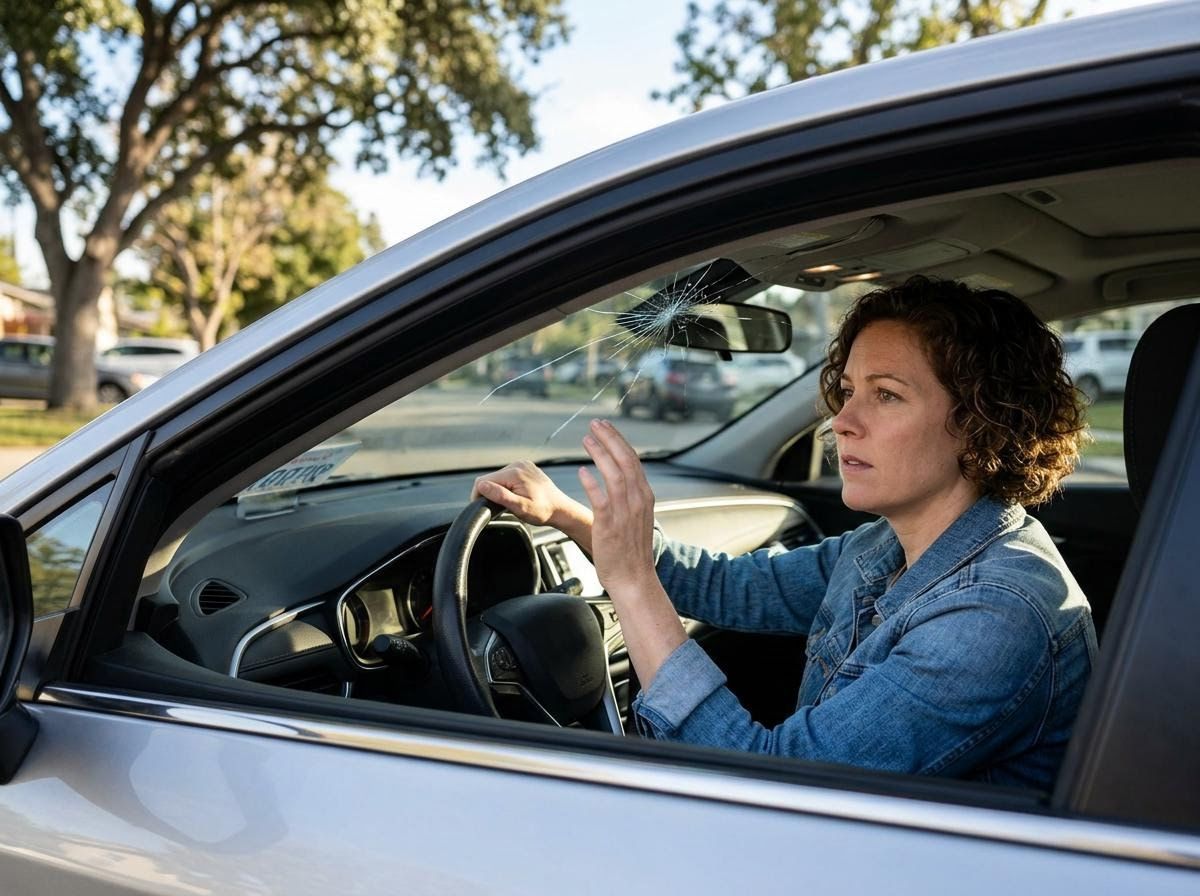
Encountering a crack in your windshield can be a jarring experience, leaving many drivers wondering if their vehicle is still safe and legal to operate. In California, specific regulations govern what constitutes an acceptable level of windshield damage, making it crucial for motorists to understand their obligations. At Komplete Auto Repair, we often see customers with questions about this very issue, and we're here to help clarify the laws and safety considerations involved.
Understanding California Windshield Laws
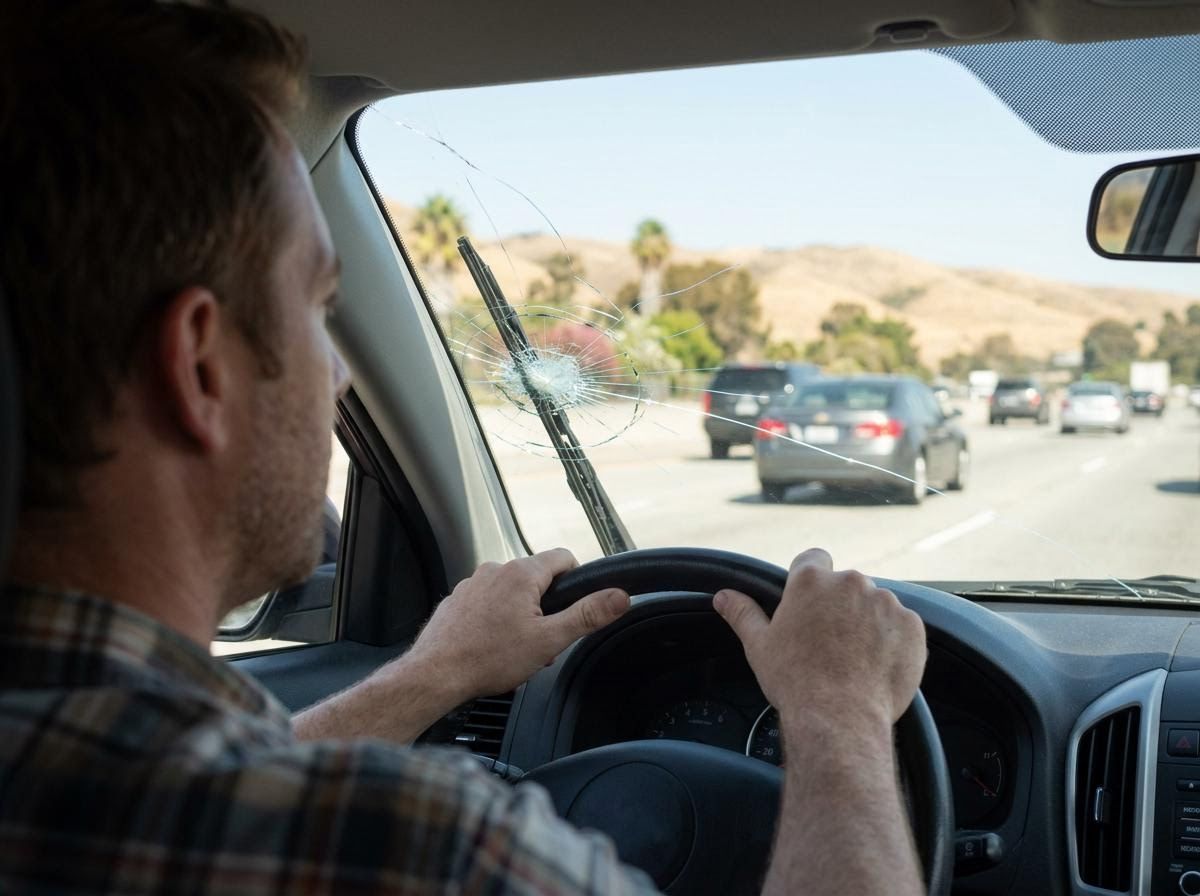
California Vehicle Code (CVC) Section 26710 states that no person shall drive any motor vehicle with any object or material placed, displayed, installed, affixed, or applied upon the windshield or side or rear windows. More specifically for cracks, CVC Section 26708, while primarily focused on obstructions, is interpreted to mean that damage significantly impairing the driver's clear view of the road is illegal. Generally, a crack that is more than a few inches long (often cited as over six inches) or one that is directly in the driver's line of sight (the area covered by the windshield wipers) can lead to a citation. Chips smaller than a quarter, not in the driver's primary viewing area, might be acceptable, but larger damage is almost certainly a violation.
Beyond the Law: Significant Safety Risks
While avoiding a traffic ticket is a valid concern, the safety implications of driving with a damaged windshield are far more critical. A cracked windshield significantly compromises your vehicle's structural integrity. In a rollover accident, the windshield provides up to 45% of the cabin's structural strength, and in a front-end collision, it can provide up to 60%. A crack weakens this crucial component, potentially leading to a roof collapse or inadequate support for the passenger compartment during an impact. Furthermore, the windshield is essential for proper airbag deployment; the passenger-side airbag relies on the windshield as a backstop. A weakened windshield might not withstand the force of deployment, reducing the airbag's effectiveness.
Repair or Replace? Making the Right Decision
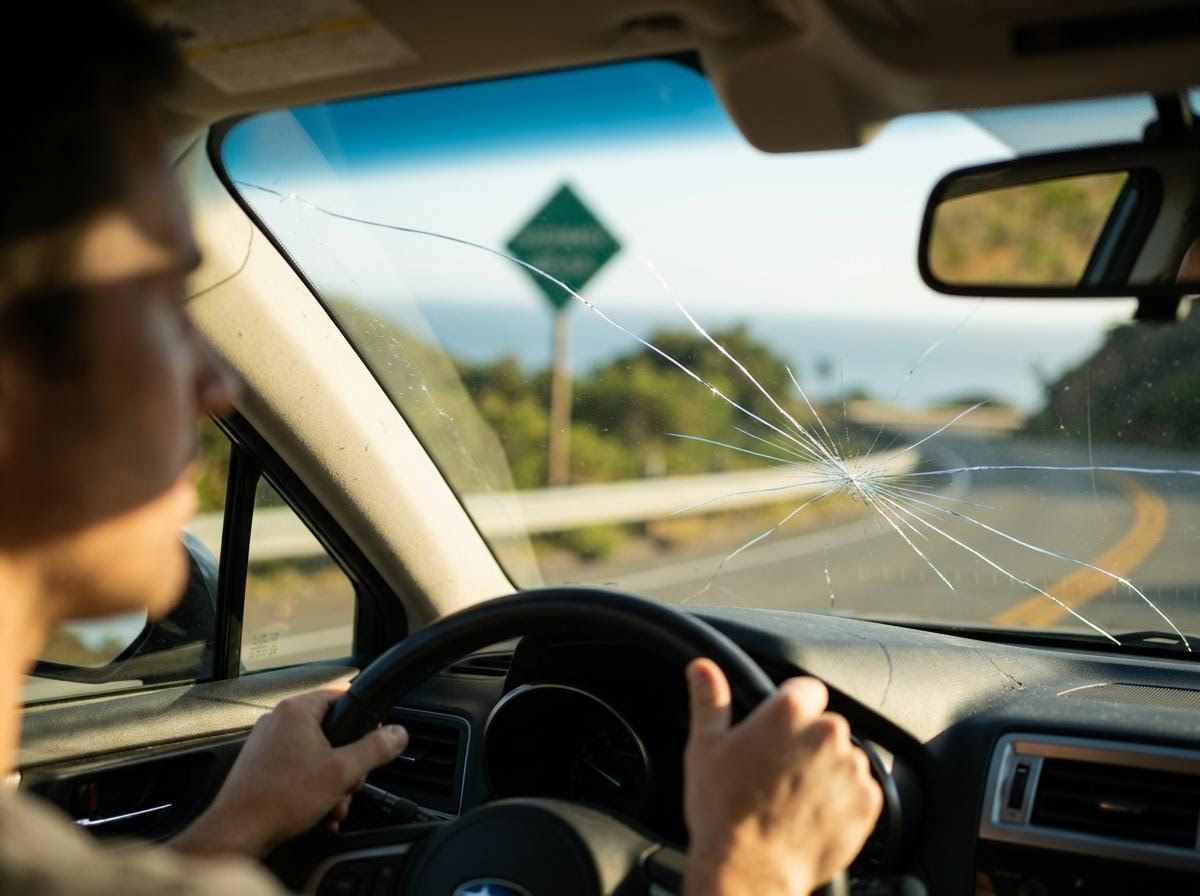
Determining whether to repair or replace your windshield depends on several factors, including the size, type, and location of the damage. Small chips (typically smaller than a quarter) and short cracks (usually under 6 inches) can often be repaired by injecting a special resin into the damaged area, preventing the crack from spreading further. This is a cost-effective solution that restores integrity and visibility. However, if the crack is long, deep, extends to the edge of the windshield, is in the driver's critical viewing area, or if there are multiple damaged spots, a full windshield replacement is almost always necessary. A professional assessment can accurately determine the best course of action for your specific situation.
Ignoring a cracked windshield in California can lead to legal penalties, but more importantly, it poses serious safety risks to you and your passengers. A compromised windshield reduces visibility, weakens your vehicle's structural integrity, and can impair airbag functionality during an accident. Don't delay addressing windshield damage; consulting with experienced technicians can ensure your vehicle meets safety standards and legal requirements. To learn more about windshield repair and replacement options, we invite you to explore the services offered by Komplete Auto Repair.