

Even the smallest chip in your windshield can feel like a minor inconvenience, but when the seasons change or temperatures fluctuate wildly, that tiny chip can quickly turn into a significant crack. Understanding why these seemingly insignificant blemishes spread under extreme heat and cold is key to preventing a costly windshield replacement. At Komplete Auto Repair, we've seen firsthand how environmental factors play a crucial role in maintaining your vehicle's structural integrity, starting with its glass.
The Physics of Glass: Expansion and Contraction
At its core, the phenomenon of chips spreading in extreme temperatures comes down to the fundamental properties of matter, specifically thermal expansion and contraction. Like most materials, automotive glass (laminated safety glass, in this case) expands when heated and contracts when cooled. While these changes are microscopic and often imperceptible in perfect glass, they exert significant stress on any imperfections. When the glass heats up, its molecules vibrate more vigorously and spread out, causing it to occupy slightly more volume. Conversely, as it cools, the molecules draw closer, and the glass contracts.
How Temperature Fluctuations Target Windshield Chips
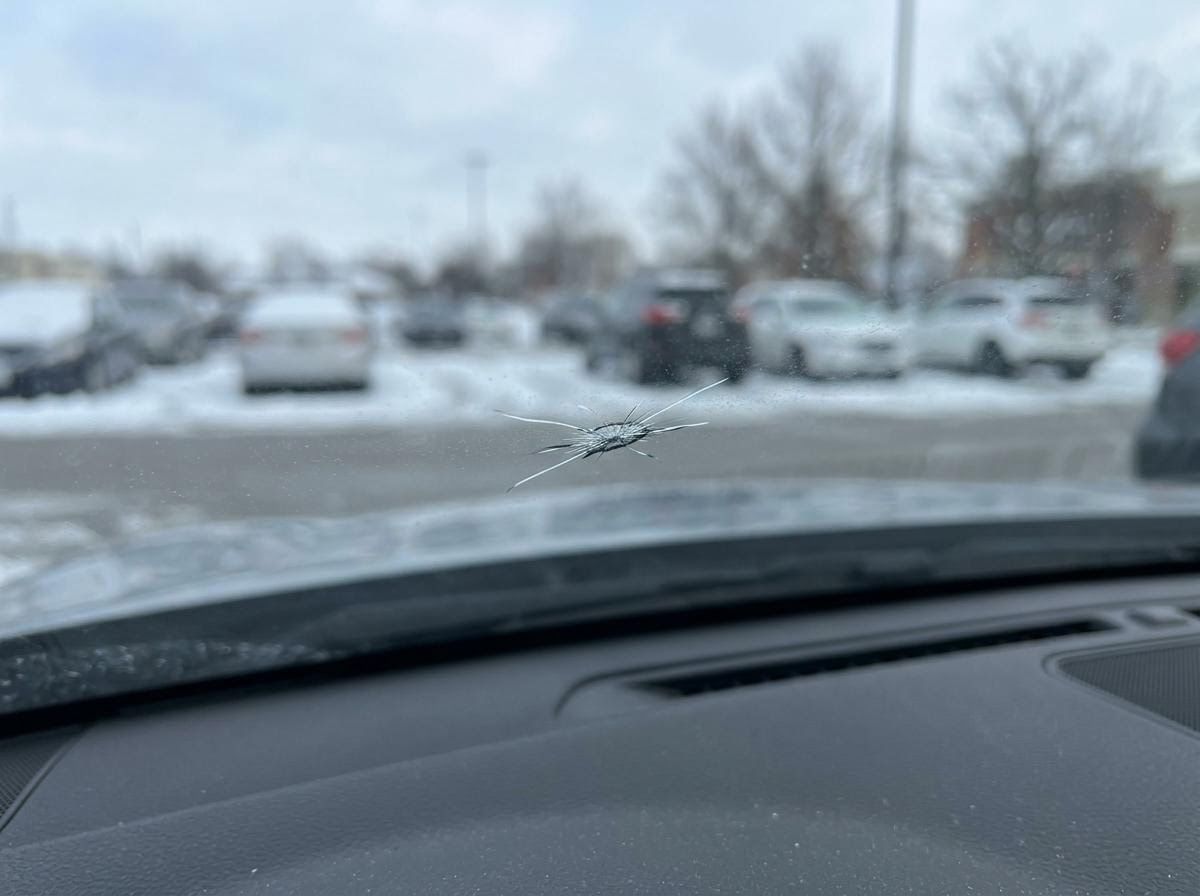
A small chip or crack creates a weak point in the otherwise uniform structure of your windshield. When the glass expands in hot weather, or when sunlight intensely heats one section, the internal stress on the glass increases. This stress is particularly concentrated around the edges of a chip, pushing the glass outwards. Similarly, in cold weather, as the glass contracts, it pulls inward, exacerbating any existing flaws. Rapid temperature changes, such as turning on your defrost in winter or using cold water to wash a hot car in summer, are especially damaging. The sudden differential in temperature between the outer and inner layers of the glass, or between the chipped area and the surrounding intact glass, can cause the chip to "snap" and propagate into a larger crack almost instantly.

Beyond Temperature: Early Action and Prevention
While temperature extremes are a major catalyst, other factors can also contribute to chip spread, such as vibrations from driving, potholes, or even minor impacts. The combination of these stressors with temperature changes creates a perfect storm for damage. The best defense against a spreading chip is swift action. Addressing a chip when it's small and confined can often be done with a repair that saves your original windshield. Regular inspection of your windshield for new chips, no matter how minor, and avoiding sudden temperature shocks to your glass, such as pouring hot water on an icy windshield, are simple preventative measures that can make a big difference.
Understanding the science behind why windshield chips spread in varying temperatures highlights the importance of timely maintenance. Don't let a small chip become a big problem; addressing these issues promptly not only saves you money but also ensures your vehicle's safety and structural integrity. If you've noticed a chip in your windshield, we encourage you to learn more about the repair process and how we can help at Komplete Auto Repair.